


Every fall, one of the most magical migrations in the world sweeps quietly through Ohio: millions of monarch butterflies fluttering south on their 3,000-mile journey from Canada to the mountains of central Mexico. These tiny travelers weigh less than a single coffee bean, yet they cross a continent powered by instinct and the pull of the seasons. And lucky for us, Lake Erie becomes one of their rest stops along the way.
This week, I followed the orange-and-black wings to one of Cleveland’s most magical nature gems: the Cleveland Lakefront Nature Preserve.
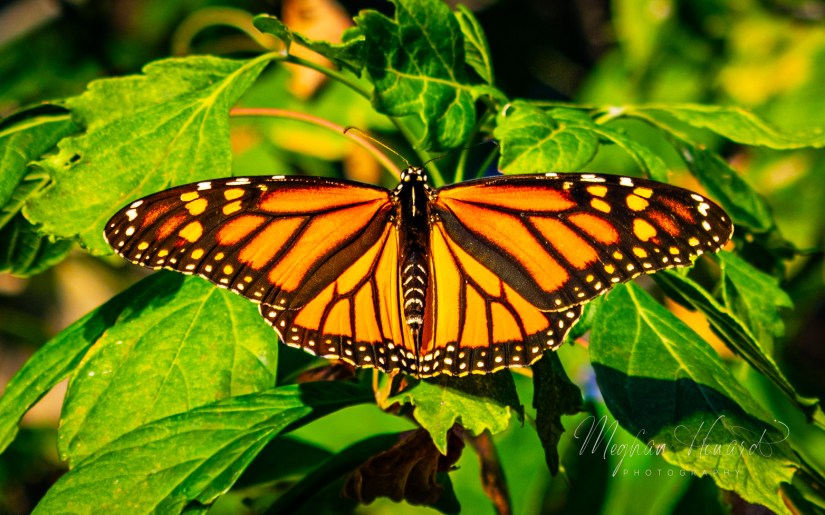
The Life Cycle of a Monarch
The monarch migration is not just one long flight south and back again, it is an epic relay across generations. Monarchs that arrive in Mexico each fall will cluster by the millions in the oyamel fir forests, where they spend the winter months in a semi-dormant state. When spring warms the mountains, they begin their journey north. Along the way, they lay eggs on milkweed, and a new generation hatches, grows, and continues the migration. It takes several successive generations of monarchs to reach the northern edges of their range, stretching all the way to southern Canada. Then, as summer fades, a special “super generation” is born: monarchs that live much longer than their parents and grandparents, strong enough to make the full return trip back to Mexico.
Lakefront Nature Preserve – Thousands in the Trees
On the edge of Lake Erie, the preserve’s wildflower meadows and cottonwoods offer shelter to tired wings. I watched as thousands of butterflies swirled and settled, turning whole branches into fluttering curtains of orange. Some clung to the undersides of leaves, conserving energy for the miles ahead, while others darted from bloom to bloom, fueling up on nectar. The entire scene felt hushed, as if the city’s noise faded away out of respect for these delicate travelers. Standing in that living cloud of wings, it was impossible not to imagine the distant Mexican mountains that waited for them: a destination none of these butterflies had ever seen, yet they knew exactly where to go.
Why Ohio Matters
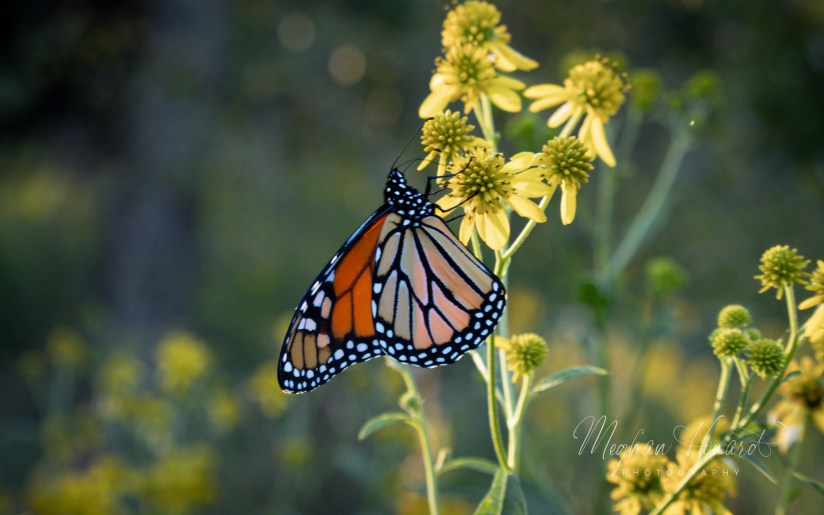
Ohio’s position along Lake Erie makes it one of the most important waypoints in the monarchs’ journey. The wide expanse of water forces butterflies to gather, rest, and recharge before braving the next leg of their flight. Here, meadows filled with goldenrod, asters, and milkweed become lifesaving buffets. Without these blooms, monarchs would not have the energy reserves to continue. Every pollinator-friendly garden, every patch of wildflowers left to grow along a trail or roadside, plays a role in supporting this ancient migration. It is humbling to realize that the survival of millions of butterflies can hinge on something as simple as a backyard planting of milkweed.
Where Else to See Them
The Lake Erie shoreline is dotted with migration hotspots where monarchs pause to refuel, each offering a slightly different backdrop for the same breathtaking spectacle. In Cleveland, Wendy Park provides open meadows and skyline views, making it a prime spot to witness butterflies clustering before sunset. To the east, Headlands Beach State Park in Mentor boasts wide sandy stretches and dune habitats where monarchs mingle with shorebirds. Westward near Sandusky, Sheldon Marsh State Nature Preserve protects wetlands rich in wildflowers, perfect for hungry wings. Farther along, Maumee Bay State Park outside Toledo and East Harbor State Park on the Marblehead Peninsula both offer a mix of shoreline and fields where thousands of butterflies can gather on the right September day. Each stop becomes part of the larger mosaic of survival that makes this migration possible.
When to Go
If you are hoping to catch the monarch migration in Ohio, timing is everything. The best window is mid to late September, when the super generation is pushing south in large numbers. Warm, sunny days following a cold front are often the most dramatic, with butterflies clustering in the trees by the thousands. Morning and late afternoon can be particularly magical, when monarchs are either still roosting or preparing to settle in for the night. While exact dates shift each year depending on weather, keeping an eye on local nature reports and butterfly counts can help you plan your visit. And when you do see them, you will understand why people travel from across the state just to stand beneath branches alive with wings.
Final Thoughts
There is something grounding about watching creatures so fragile do something so bold. The monarchs do not second-guess their wings, they just go. Their journey is a reminder that resilience does not always look strong and loud, sometimes it looks like delicate wings carrying you across a continent. And standing on the shores of Lake Erie, watching them pause after crossing a vast stretch of water, I felt the lesson settle in: rest when you must, trust the path ahead, and keep going.

 She is Wild & Free
1 thought on “From Canada to Mexico: Monarch Migration Through Ohio’s Lake Erie Shore”